


Outdoor Plants in SW Florida During Cold Weather: How to Protect, Maintain, and Design a Resilient Landscape

Southwest Florida may not experience snowstorms or long winters, but cooler temperatures and cold fronts are part of the seasonal cycle. When winter arrives, outdoor plants—especially tropical and subtropical varieties—can experience stress, damage, or slowed growth if they’re not properly selected and maintained.
Cold weather in SW Florida can bring:
Overnight lows in the 40s and 50s
Dry air and increased wind
Sudden temperature drops
Occasional frost in inland areas
For homeowners, this raises important questions:
Which outdoor plants thrive during cooler weather?
How should landscapes be maintained in winter?
What plants need protection—or replacement—during cold snaps?
In this guide, we’ll walk through everything you need to know about outdoor plants in SW Florida during cold weather, including plant selection, care strategies, protection tips, and how professional landscaping can make all the difference.
Understanding Cold Weather Conditions in Southwest Florida
Cold weather in Southwest Florida is typically short-lived but unpredictable. A warm 75-degree afternoon can be followed by a 45-degree morning after a cold front moves through.
Common Winter Stressors for Outdoor Plants
Temperature fluctuations
Wind chill and dry air
Reduced soil warmth
Less consistent rainfall
Frost risk in certain areas
Even brief exposure to colder temperatures can damage sensitive plants if they’re not prepared or properly placed within the landscape.
Why Cold Weather Planning Matters for Landscaping
Many homeowners assume Florida landscapes are “set it and forget it,” but winter is a crucial season for:
Plant health
Root development
Soil stability
Long-term landscape success
Strategic cold-weather planning helps:
Prevent plant loss
Maintain curb appeal year-round
Reduce replacement costs
Support healthier spring growth
A well-designed landscape anticipates winter conditions instead of reacting to damage after it occurs.
Best Outdoor Plants for SW Florida During Cold Weather
Choosing the right plants is the foundation of a resilient winter landscape.
Cold-Tolerant Plants That Perform Well
Firebush (Hamelia patens)
Native to Florida
Handles cooler temperatures well
Attracts pollinators year-round
Recovers quickly after cold snaps
Firebush may lose some leaves in colder weather, but it rebounds beautifully in spring.
Dwarf Palmetto (Sabal minor)
One of the most cold-hardy palms
Thrives in SW Florida winters
Low-maintenance and durable
This palm is ideal for landscapes that need structure and year-round greenery.
Coontie
Florida native
Extremely cold tolerant
Requires minimal care
Coontie is an excellent choice for winter landscapes and supports local ecosystems.
Viburnum
Strong hedge option
Handles cool weather well
Maintains structure and privacy
Great for property lines and formal landscape designs.
Ixora (with protection)
Can survive mild cold with proper placement
Best in sheltered areas near structures
Strategic positioning is key for plants that prefer warmth.
Tropical Plants That Need Extra Care in Cold Weather
Some popular tropical plants are more vulnerable during winter.
Plants That Require Protection
Hibiscus
Crotons
Ti plants
Bougainvillea
These plants may experience:
Leaf drop
Browning
Slowed growth
While this doesn’t always mean permanent damage, protection measures are essential.
How to Protect Outdoor Plants During Cold Weather
1. Strategic Plant Placement
One of the most effective protections happens before winter even arrives.
Plant cold-sensitive species near walls or structures
Use hardscapes to retain warmth
Group plants to create microclimates
Professional landscape design takes these factors into account from the start.
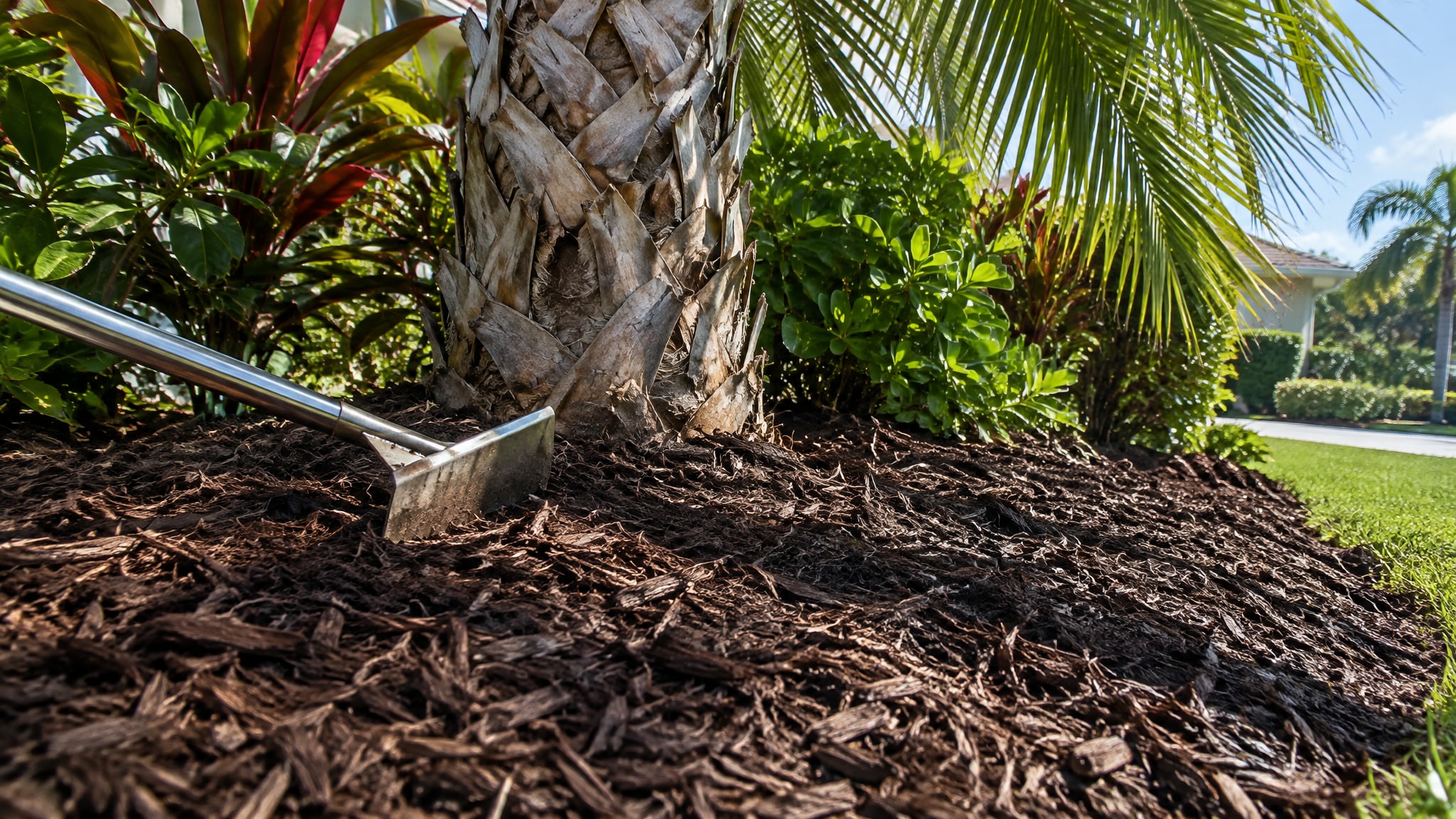
2. Mulching for Insulation
Mulch acts as a thermal blanket for roots.
Benefits include:
Temperature regulation
Moisture retention
Protection against soil erosion
Applying fresh mulch before winter helps insulate plants during cold nights.
3. Proper Watering Before Cold Fronts
Hydrated plants tolerate cold better than dry ones.
Water deeply before a cold front
Avoid watering during freezing temperatures
Monitor soil moisture levels
Healthy roots are more resilient against temperature stress.
4. Covering Plants During Cold Snaps
For especially cold nights:
Use frost cloths or breathable covers
Avoid plastic directly on leaves
Remove covers once temperatures rise
Temporary protection can prevent significant damage.
Winter Maintenance Tips for SW Florida Landscapes
Cold weather is not the time to ignore your yard—it’s the time to adjust care routines.
Pruning Guidelines
Avoid heavy pruning before winter
Damaged foliage can help insulate plants
Prune selectively once warmer weather returns
Over-pruning before cold snaps can expose plants to greater stress.
Fertilization Considerations
Reduce fertilization during winter
Excess nutrients can stimulate growth at the wrong time
Resume feeding in spring
Winter is a rest period for many plants.
Lawn Care During Cooler Weather
Growth slows significantly
Avoid scalping or aggressive mowing
Keep blades sharp to reduce stress
Lawns may appear dormant but still require gentle care.
Why Professional Landscaping Matters in Winter
A professional landscaping company understands:
Which plants thrive in SW Florida winters
How to design landscapes that withstand seasonal changes
When to protect, prune, or replace plants
At Cintron Landscape Services, winter landscaping focuses on preserving plant health while maintaining visual appeal—not just reacting to damage.
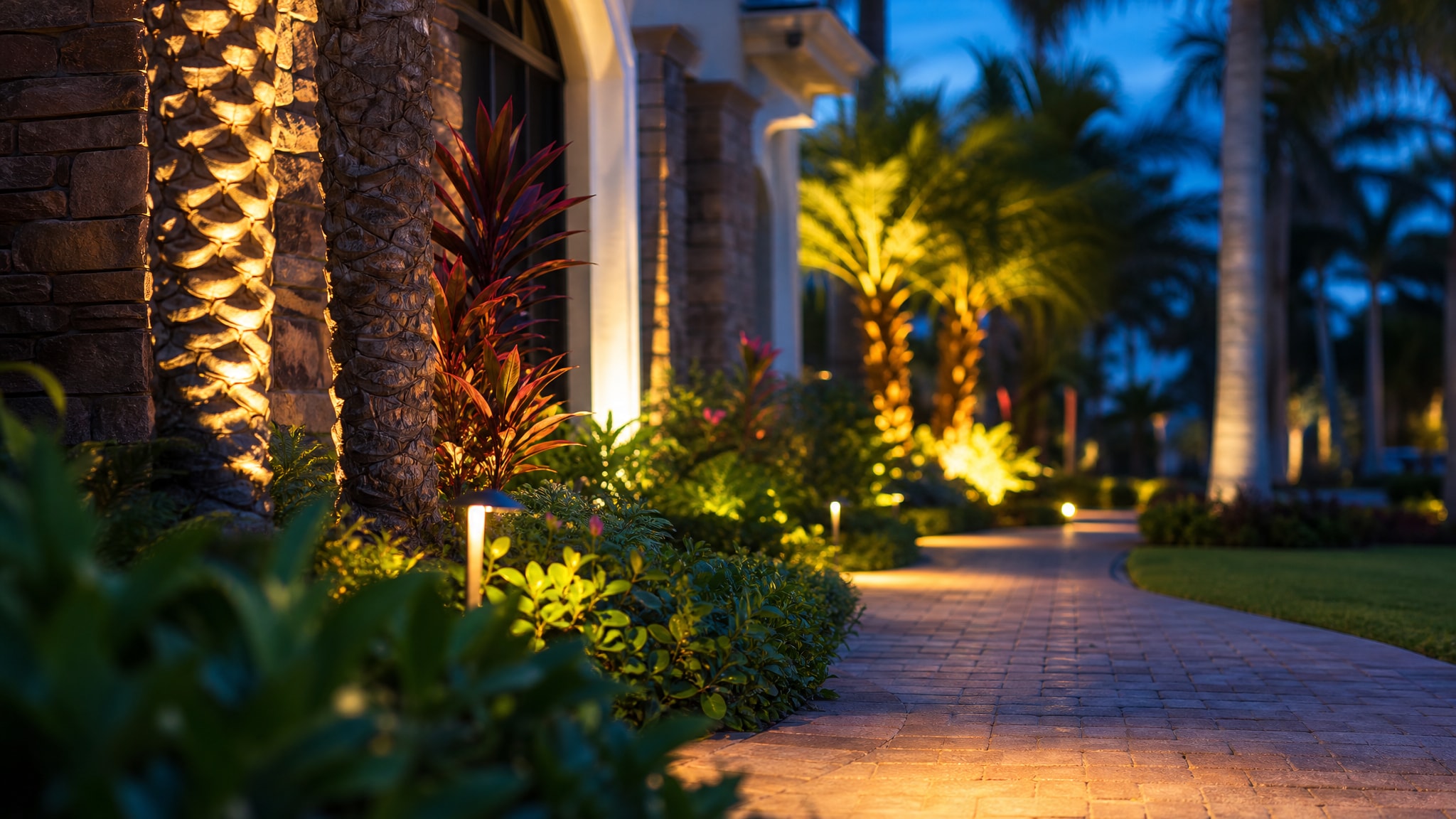
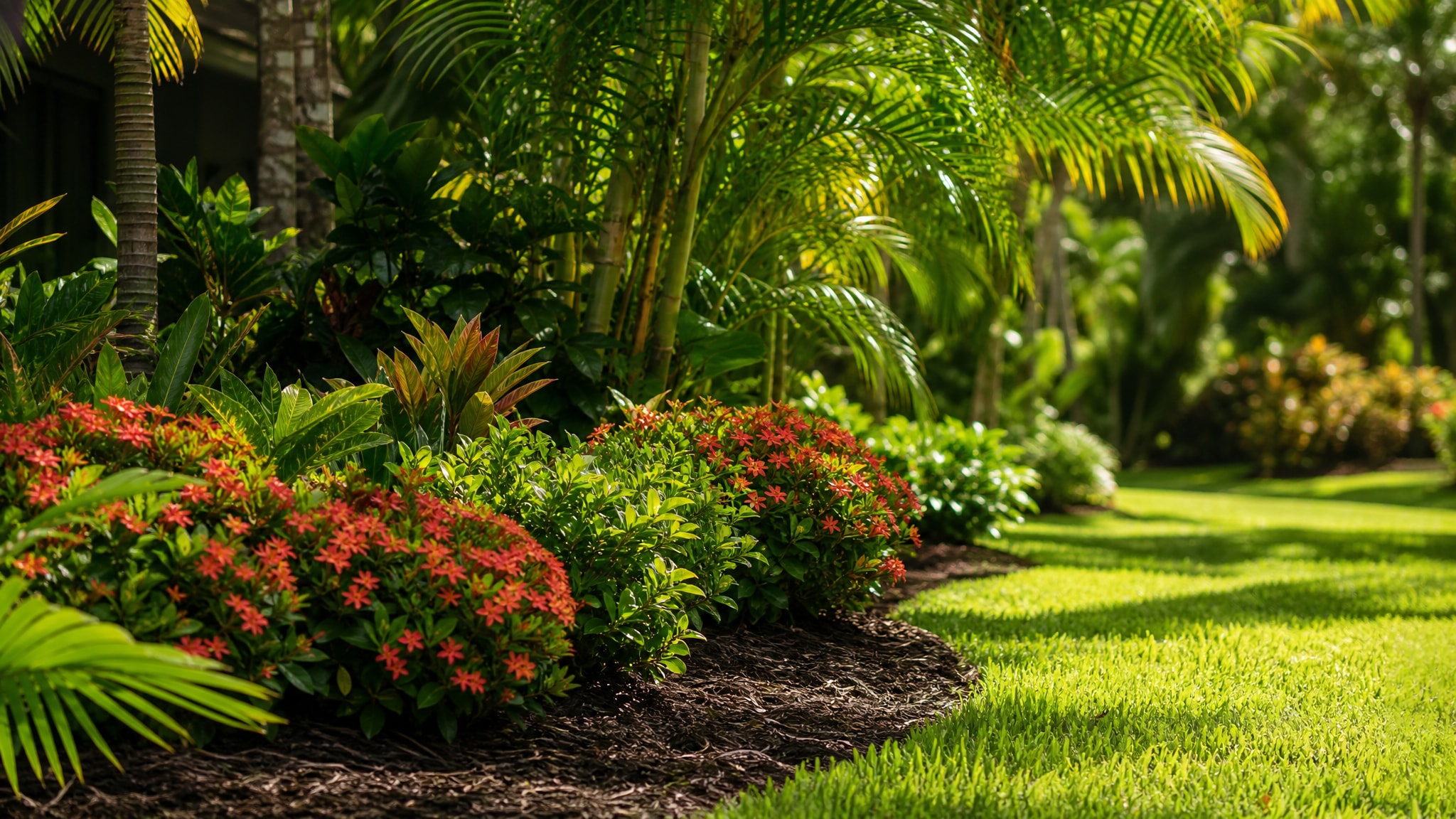
Designing a Landscape That Looks Good Year-Round
Winter doesn’t have to mean a dull or lifeless yard.
A balanced winter-ready landscape includes:
Evergreen shrubs
Structural plants like palms
Cold-tolerant flowering species
Layered textures and heights
This ensures your outdoor space remains attractive even when temperatures dip.
When Cold Damage Happens: What to Do Next
If plants are damaged by cold weather:
Avoid immediate removal
Wait until warmer temperatures return
Allow professionals to assess recovery potential
Many plants appear worse than they are and can rebound with proper care.
Why Winter Is the Perfect Time for Landscape Improvements
Winter is an ideal season to:
Replace weak plants
Improve soil quality
Redesign plant layouts
Prepare for spring growth
Cooler temperatures are easier on new plant installations and allow roots to establish before summer heat.
Final Thoughts: Protecting Your Landscape Through Every Season
Cold weather in Southwest Florida may be temporary, but its impact on outdoor plants can be lasting without proper planning. The right plant choices, proactive maintenance, and professional care ensure your landscape stays healthy, beautiful, and resilient year-round.
Whether you’re protecting existing plants or planning a winter-friendly redesign, thoughtful landscaping makes all the difference.
Comments